In the fast-evolving realm of technology, few innovations have captured as much attention and promise as blockchain. This groundbreaking technology has ushered in a new era of transparency, security, and decentralized applications, giving rise to a multitude of opportunities across various industries. At the forefront of harnessing this potential are blockchain development companies, acting as architects of the digital future.
Understanding Blockchain Technology
Before diving into the role of blockchain development companies, it’s crucial to grasp the fundamentals of blockchain technology. At its core, a blockchain is a distributed ledger that records transactions across a network of computers. Each transaction, or “block,” is securely linked to the preceding one, forming an immutable chain. This structure ensures transparency, security, and immutability of data, eliminating the need for intermediaries.

The Rise of Blockchain Development Companies
Blockchain’s potential spans far beyond its initial application in cryptocurrencies like Bitcoin. As the technology matured, its versatility became evident. Blockchain development companies emerged to harness its capabilities and apply them across various sectors, including finance, healthcare, supply chain, and more.
These specialized firms serve as the driving force behind blockchain innovation. They comprise teams of experts proficient in blockchain protocols, smart contracts, decentralized applications (dApps), and consensus mechanisms. Their primary objective revolves around conceptualizing, designing, and implementing blockchain-based solutions tailored to meet the specific needs of businesses and industries.
Services Offered by Blockchain Development Companies
The scope of services provided by blockchain development companies is extensive. They offer end-to-end solutions, starting from ideation and consulting to development, deployment, and maintenance. Some key services include:
- Consultation and Strategy: Companies seeking to leverage blockchain often lack a clear roadmap. Blockchain development firms offer consultation services, guiding clients on how blockchain can optimize their operations and devising strategies for implementation.
- Custom Development: These companies specialize in developing custom blockchain solutions, whether it’s creating private or public blockchains, smart contracts, consensus mechanisms, or interoperable systems tailored to suit specific business requirements.
- dApp Development: Decentralized applications, running on blockchain networks, have gained traction for their transparency and security. Blockchain development companies excel in designing and developing dApps across a spectrum of industries, revolutionizing conventional systems.
- Security Audits and Maintenance: Ensuring the robustness and security of blockchain networks is paramount. These firms conduct thorough security audits and provide ongoing maintenance to uphold the integrity and functionality of the systems they develop.
Impact and Significance
The impact of blockchain development companies extends beyond technological advancements. By fostering transparency, enhancing security, reducing operational costs, and eliminating intermediaries, these companies empower businesses to streamline processes and innovate in unprecedented ways. Industries such as finance benefit from faster and more secure transactions, while supply chain management sees improved traceability and accountability.
Moreover, these companies contribute significantly to the growth and evolution of blockchain ecosystems. They collaborate with open-source projects, contribute to the development of blockchain protocols, and pioneer research and development to push the boundaries of what’s possible with this transformative technology.
Conclusion
In conclusion, blockchain development companies play a pivotal role in shaping the future of technology. Their expertise in harnessing the potential of blockchain technology fuels innovation, creating solutions that transcend traditional limitations and unlock new opportunities across industries. As we continue to embrace the potential of blockchain, these companies stand as vanguards of change, driving the world towards a decentralized, secure, and transparent future.
Transformative Power of Blockchain in Gaming: Exploring Blockchain Game Development Companies
The gaming industry has long been at the forefront of technological advancements, constantly seeking innovations to enhance user experiences. In recent years, the integration of blockchain technology into gaming has emerged as a game-changer, revolutionizing the way games are played, owned, and monetized. At the heart of this evolution lie specialized entities known as blockchain game development companies.
Understanding Blockchain’s Impact on Gaming
Traditional gaming often faces challenges related to ownership of in-game assets, fraud, centralized control, and limited opportunities for monetization. Blockchain technology addresses these issues by introducing decentralization, immutability, and tokenization.
By leveraging blockchain, game developers can create decentralized games where players have true ownership of in-game assets in the form of non-fungible tokens (NFTs). These tokens, unique and irreplaceable, can represent characters, items, or other game elements. This ownership empowers players to trade, sell, or utilize these assets across multiple games, fostering a new level of value and interoperability.

The Role of Blockchain Game Development Companies
Blockchain game development companies are instrumental in actualizing the potential of blockchain in the gaming sphere. They specialize in creating innovative gaming ecosystems that integrate blockchain technology seamlessly. These companies offer a wide array of services tailored for the gaming industry:
- NFT Integration: They assist in implementing NFTs into games, enabling the creation, management, and exchange of unique in-game assets on blockchain networks.
- Smart Contracts: Blockchain game developers utilize smart contracts to facilitate transparent and automated mechanisms for in-game transactions, rewards, and governance, enhancing player experiences.
- Scalable Solutions: These companies design scalable blockchain solutions that cater to the gaming industry’s high-performance requirements, ensuring smooth gameplay experiences.
- Interoperability: Enabling interoperability between different gaming platforms and ecosystems, allowing seamless asset transfers and usage across multiple games or platforms.
Success Stories and Case Studies
Blockchain game development companies have spearheaded several successful projects, showcasing the transformative potential of this technology in gaming.
One such example is “Axie Infinity,” a blockchain-based game that has gained immense popularity. Developed by Sky Mavis, Axie Infinity allows players to collect, breed, and battle fantasy creatures known as Axies, all while earning cryptocurrency rewards in the form of the game’s native token. The game’s success highlights the potential for blockchain games to create immersive experiences while offering players real economic incentives.
Another noteworthy example is “Decentraland,” a virtual reality platform built on the Ethereum blockchain. It allows users to create, explore, and monetize content and applications. Users can purchase virtual land, create unique experiences, and interact with others in this decentralized virtual world, demonstrating the potential for blockchain to redefine virtual environments and economies.
Impact on the Gaming Industry
The integration of blockchain technology in gaming extends beyond enhancing gameplay experiences. It introduces new revenue streams for both developers and players through the sale and exchange of in-game assets. Players can earn cryptocurrencies by participating in games and contributing to the ecosystem, thereby bridging the gap between gaming and financial incentives.
Moreover, blockchain-powered games foster a community-driven environment where players have a stake in the game’s development and direction. This participatory model encourages engagement and loyalty among players, leading to vibrant and sustainable gaming ecosystems.
Conclusion
In conclusion, blockchain game development companies are driving a paradigm shift in the gaming industry, revolutionizing how games are played, experienced, and monetized. By harnessing the transformative potential of blockchain technology, these companies are paving the way for a new era of gaming where ownership, transparency, and economic incentives converge. As blockchain continues to redefine gaming landscapes, these companies remain at the forefront, shaping the future of interactive entertainment.
Embracing Web3: Unveiling the Role of Web3 Development Companies
The internet has undergone significant transformations since its inception, evolving from static web pages to dynamic, interactive platforms. The latest phase in this evolution is Web3, an emerging paradigm powered by decentralized technologies, blockchain, and peer-to-peer networks. At the forefront of this transformative shift are Web3 development companies, shaping the landscape of a more decentralized and user-centric internet.
Understanding the Evolution from Web 2.0 to Web3
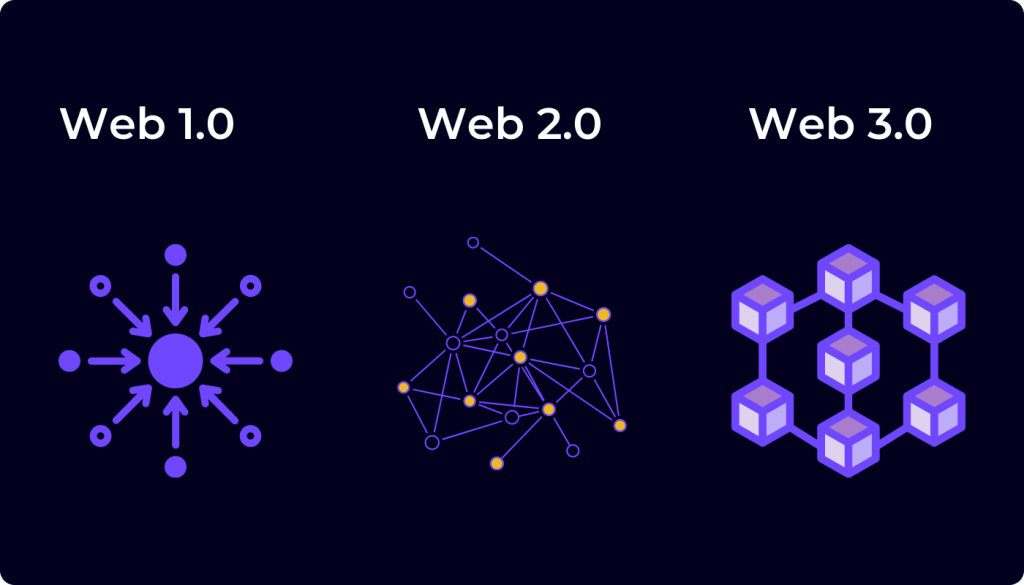
Web3 represents the next iteration of the internet, moving beyond the centralized nature of Web 2.0. Web 2.0 brought user-generated content, social media, and interactive web experiences. However, it also concentrated control in the hands of tech giants, leading to concerns regarding data privacy, censorship, and monopolistic practices.
Web3 aims to address these issues by leveraging decentralized technologies like blockchain to create a more transparent, secure, and user-controlled internet. It envisions a web where users have ownership of their data, participate in decentralized networks, and interact with applications that operate without intermediaries.
Role of Web3 Development Companies
Web3 development companies play a pivotal role in actualizing the vision of a decentralized internet. These companies specialize in building and deploying decentralized applications (dApps), protocols, and infrastructure that form the backbone of the Web3 ecosystem. Their services encompass a wide array of functionalities:
- dApp Development: Web3 development companies excel in creating decentralized applications across various domains, ensuring transparency, security, and user empowerment.
- Blockchain Integration: They integrate blockchain technology into web solutions, enabling functionalities like decentralized identity, data ownership, and secure transactions.
- Smart Contracts and Protocols: These companies design and implement smart contracts and protocols that govern decentralized systems, ensuring trust and reliability without centralized control.
- Interoperability Solutions: Facilitating interoperability between different blockchain networks and decentralized systems, allowing seamless interaction and data exchange.
Key Projects and Contributions
Web3 development companies have contributed to several pioneering projects that demonstrate the potential of a decentralized internet.
One such project is “Uniswap,” a decentralized exchange (DEX) built on the Ethereum blockchain. Uniswap enables users to swap various cryptocurrencies without the need for intermediaries or order books. Its automated market-making protocol has significantly contributed to the decentralized finance (DeFi) ecosystem, showcasing the power of decentralized exchanges.
Another noteworthy initiative is “IPFS” (InterPlanetary File System), a protocol designed to create a more resilient and distributed web by facilitating peer-to-peer storage and sharing of content. IPFS aims to replace the traditional HTTP protocol with a more decentralized and efficient content distribution system.
Impact on Internet Governance and User Empowerment
The rise of Web3 development companies signifies a shift in internet governance and user empowerment. By leveraging decentralized technologies, these companies strive to democratize access to information, promote data sovereignty, and empower individuals by granting them control over their digital identities and assets.
Moreover, Web3 fosters a collaborative and open-source ethos, encouraging innovation through community-driven development. This participatory model enables users to contribute to the evolution of platforms and protocols, leading to a more inclusive and diverse internet ecosystem.
Conclusion
In conclusion, Web3 development companies are spearheading the evolution towards a decentralized internet, marking a fundamental shift in how we interact and transact online. Their expertise in leveraging decentralized technologies like blockchain, coupled with a vision for a more equitable and user-centric internet, is paving the way for a transformative digital future. As Web3 continues to gain momentum, these companies remain instrumental in shaping the infrastructure and applications that will define the internet of tomorrow.
Innovating Finance: Exploring the Role of DeFi Development Companies
The financial landscape is undergoing a radical transformation, shifting towards a more inclusive, transparent, and decentralized system known as Decentralized Finance (DeFi). At the helm of this revolution are specialized entities known as DeFi development companies. These firms are instrumental in redefining traditional financial services through the integration of blockchain technology and decentralized protocols, offering innovative solutions that democratize access to finance.
Understanding Decentralized Finance (DeFi)
DeFi represents a paradigm shift in the way financial services are conceptualized and delivered. It leverages blockchain and smart contract technologies to create open, permissionless, and trustless financial infrastructures. Unlike traditional finance, which relies heavily on intermediaries like banks and financial institutions, DeFi aims to provide financial services directly to users, enabling peer-to-peer transactions, lending, borrowing, and trading without the need for intermediaries.
The Rise of DeFi Development Companies
As the potential of DeFi gained recognition, a new breed of companies emerged to harness and drive innovation within this burgeoning sector. DeFi development companies are at the forefront of this movement, offering a diverse range of services tailored to the decentralized finance space:
- Smart Contract Development: These firms specialize in creating and auditing smart contracts, the cornerstone of DeFi applications, ensuring the integrity and security of automated financial agreements.
- Liquidity Solutions: DeFi development companies provide liquidity solutions through decentralized exchanges (DEXs) and liquidity pools, enabling seamless asset swaps and lending activities.
- Protocol Development: They contribute to the creation and enhancement of DeFi protocols that govern various financial activities, including decentralized lending, derivatives, and asset management.
- Security Audits and Consulting: Ensuring the robustness and security of DeFi protocols is paramount. These companies conduct comprehensive security audits and offer consulting services to maintain the integrity of decentralized systems.
Notable DeFi Projects and Contributions
DeFi development companies have been instrumental in driving the success of various groundbreaking projects within the decentralized finance space.
One such notable project is “Aave,” a decentralized lending platform that allows users to lend, borrow, and earn interest on cryptocurrency assets without intermediaries. Aave introduced novel concepts like flash loans and decentralized governance, contributing significantly to the evolution of DeFi lending protocols.
Another impactful initiative is “Compound Finance,” a protocol that enables users to lend and borrow cryptocurrencies by algorithmically adjusting interest rates based on supply and demand. Compound Finance has played a pivotal role in the proliferation of algorithmic money markets within the DeFi ecosystem.
Impact of DeFi Development Companies on Financial Inclusion
The advent of DeFi development companies signifies a monumental shift in the traditional financial landscape, offering solutions that promote financial inclusion on a global scale. By eliminating intermediaries and barriers to entry, DeFi opens up access to financial services for individuals who were previously underserved or excluded from the traditional banking system.
Moreover, DeFi allows users to retain control over their assets, enabling them to participate in financial activities without relying on centralized entities. This empowerment fosters a more equitable and accessible financial ecosystem, transcending geographical boundaries and socioeconomic barriers.
Conclusion (to be continued in the next part)
In conclusion, DeFi development companies are pivotal in propelling the evolution of decentralized finance, introducing innovative solutions that redefine the way we perceive and engage with financial services. Their expertise in blockchain, smart contract development, and protocol design is instrumental in creating a more inclusive, transparent, and efficient financial infrastructure. As DeFi continues to expand its footprint, these companies remain at the forefront, driving the advancement of a decentralized financial ecosystem.
NFT Marketplace Development Companies: Revolutionizing Digital Ownership
In the ever-evolving landscape of digital assets, Non-Fungible Tokens (NFTs) have emerged as a groundbreaking innovation, redefining the concept of digital ownership and creating a new paradigm for creators and collectors alike. At the heart of this revolution are specialized entities known as NFT marketplace development companies. These firms play a pivotal role in shaping and empowering the burgeoning NFT ecosystem.
Understanding the Significance of NFTs
Unlike cryptocurrencies such as Bitcoin or Ethereum, which are interchangeable and uniform (fungible), NFTs are unique, indivisible tokens that represent ownership or proof of authenticity of digital assets. These assets can range from digital art, collectibles, music, videos, virtual real estate, to any form of digital content.
NFTs are built on blockchain technology, enabling immutable ownership records and provable scarcity, ensuring the authenticity and uniqueness of each token. This innovation has unlocked a new era for creators to monetize their digital works while granting collectors true ownership and provenance of digital assets.
Role of NFT Marketplace Development Companies
NFT marketplace development companies are instrumental in nurturing the growth and accessibility of the NFT ecosystem. These companies offer a suite of services tailored to cater to the needs of creators, collectors, and users within the NFT space:
- Platform Development: They specialize in developing and deploying NFT marketplace platforms, providing a user-friendly interface for creators to mint, showcase, and sell their digital assets, as well as for collectors to discover and acquire NFTs.
- Smart Contract Integration: NFT marketplace developers incorporate smart contracts into platforms, ensuring the secure and transparent transfer of ownership and royalties for creators each time an NFT is bought, sold, or traded.
- Scalable Infrastructure: These companies focus on creating scalable and robust infrastructure for NFT marketplaces, capable of handling high transaction volumes without compromising security or user experience.
- Community Engagement: NFT marketplace development firms often foster community engagement within their platforms, organizing events, auctions, and collaborations to promote artists and attract collectors.
Pioneering NFT Marketplace Projects
NFT marketplace development companies have been instrumental in launching and popularizing prominent platforms within the NFT space, showcasing the transformative potential of digital ownership:
One such notable platform is “OpenSea,” one of the largest and most diverse NFT marketplaces. OpenSea enables the buying, selling, and trading of a wide range of digital assets, from art and domain names to virtual worlds and collectibles. Its user-friendly interface and support for various blockchain networks have contributed significantly to the mainstream adoption of NFTs.
Another impactful initiative is “Rarible,” a decentralized NFT marketplace that empowers creators to mint and sell their digital creations as NFTs. Rarible utilizes a governance token (RARI) to allow community members to participate in platform decisions, highlighting the importance of community-driven platforms within the NFT space.
Impact of NFT Marketplaces on Digital Ownership
NFT marketplaces have redefined digital ownership, offering creators a new revenue stream and granting collectors true ownership rights over digital assets. For creators, NFTs provide a means to monetize their digital creations directly, bypassing intermediaries and receiving royalties every time their NFTs are resold—a feature enabled by smart contracts.
Furthermore, NFTs empower collectors by providing provable ownership and provenance of digital assets. This ownership extends beyond the digital realm, allowing collectors to showcase their acquisitions, participate in digital communities, and express their support for artists and creators.
Continued Advancements and Challenges
As NFTs gain widespread recognition, challenges and opportunities continue to emerge within the NFT marketplace landscape. Scalability, interoperability between different NFT platforms, environmental concerns regarding the energy consumption of blockchain networks, and the need for robust mechanisms to prevent copyright infringement are among the challenges that NFT marketplace development companies strive to address.
However, the potential for further innovation remains vast. From integrating NFTs into various industries like gaming, real estate, and fashion to exploring new forms of digital collectibles and experiences, NFT marketplace development companies continue to drive the evolution of digital ownership and the broader NFT ecosystem.
Conclusion
In conclusion, NFT marketplace development companies are catalysts for the transformation of digital ownership, driving the proliferation of NFTs and reshaping the way we perceive, buy, sell, and collect digital assets. Their contributions in developing platforms, implementing smart contracts, and fostering vibrant communities have propelled the NFT space into the mainstream, ushering in a new era where digital ownership is democratized and redefined.
Enabling the Connected Future: Exploring the Role of IoT Development Companies
In a world increasingly driven by interconnected devices and smart technologies, the Internet of Things (IoT) stands at the forefront of innovation, reshaping industries and revolutionizing how devices communicate and interact. At the core of this transformative landscape are specialized entities known as IoT development companies. These firms play a pivotal role in conceptualizing, designing, and implementing IoT solutions that power the connected ecosystem.
Understanding the Internet of Things (IoT)
The Internet of Things refers to the network of physical devices embedded with sensors, software, and connectivity, allowing them to collect, exchange, and act upon data. These devices span across various domains, including consumer electronics, healthcare, manufacturing, transportation, and smart homes. The fundamental principle of IoT lies in creating an interconnected web of devices capable of autonomous communication and intelligent decision-making.
Role of IoT Development Companies
IoT development companies serve as architects of the connected world, offering specialized services and expertise in harnessing the potential of IoT technologies. These companies provide a wide array of services tailored to cater to the needs of businesses and industries venturing into the realm of IoT:
- IoT Strategy and Consultation: They offer consultation services to businesses seeking to leverage IoT, assisting in devising strategies for implementation, scalability, and maximizing the potential of connected devices.
- Custom IoT Solutions: IoT development firms specialize in designing and developing custom IoT solutions, including hardware, firmware, and software components tailored to meet specific business requirements.
- Sensor Integration and Connectivity: They focus on integrating sensors, communication protocols, and connectivity solutions to enable seamless data collection, transmission, and analysis across IoT networks.
- Security and Data Privacy: Ensuring the security of IoT devices and networks is paramount. These companies implement robust security measures and protocols to safeguard data and protect against cyber threats.

Innovative Projects and Contributions
IoT development companies have contributed significantly to pioneering projects, showcasing the transformative potential of connected devices across diverse industries.
One such impactful initiative is in the domain of smart cities, where IoT technologies are utilized to optimize urban infrastructure and enhance city living. Implementations include smart traffic management systems, waste management, environmental monitoring, and efficient energy usage, all powered by interconnected sensors and devices.
In the healthcare sector, IoT has facilitated advancements such as remote patient monitoring, wearable health devices, and telemedicine solutions. IoT development companies have played a crucial role in creating connected healthcare ecosystems that improve patient care and enable healthcare providers to make data-driven decisions.
Impact of IoT on Industries and Connectivity
The adoption of IoT technologies has brought forth a wave of transformation across industries. In manufacturing, IoT enables predictive maintenance, supply chain optimization, and real-time monitoring of equipment, enhancing operational efficiency and reducing downtime.
In the realm of agriculture, IoT-powered solutions facilitate precision farming techniques, where sensors and data analytics assist in optimizing irrigation, monitoring soil health, and maximizing crop yields, contributing to sustainable agricultural practices.
Furthermore, IoT’s influence extends to everyday life through smart homes equipped with connected devices like smart thermostats, security cameras, and voice assistants, offering convenience, energy efficiency, and enhanced security to homeowners.
Challenges and Future Trends
Despite the vast potential of IoT, several challenges persist, including interoperability issues between devices and platforms, concerns regarding data privacy and security, scalability of IoT networks, and the need for standardized protocols.
Looking ahead, future trends in IoT development are poised to include advancements in edge computing, where data processing occurs closer to the devices, reducing latency and improving real-time decision-making. Additionally, the integration of artificial intelligence and machine learning into IoT systems will further enhance their capabilities for predictive analysis and automation.
Conclusion
In conclusion, IoT development companies serve as key enablers of the connected world, driving innovation and facilitating the integration of smart technologies into diverse industries and everyday life. Their expertise in designing and implementing IoT solutions empowers businesses and industries to leverage the potential of interconnected devices, paving the way for a more efficient, connected, and data-driven future.

 Digital Dynamos Blogs
Leave a comment